

Introduction
Few songs have managed to achieve the kind of lasting popularity that Never Gonna Give You Up enjoys today. Originally released in the late 1980s, the track became an instant chart-topping success thanks to its catchy melody, memorable lyrics, and the unmistakable voice of Rick Astley. While many hit songs eventually fade into nostalgia, this one has continued to attract new generations of listeners.
The song is unique because it has experienced two different eras of fame. First, it dominated radio stations and music charts around the world during its original release. Decades later, it found a completely new audience through internet culture, transforming into one of the most recognizable memes in history. Very few songs can claim that kind of cultural longevity.
Whether you’re a longtime fan of classic pop music or someone who first encountered the song through a surprise internet link, there’s no denying its impact. In this article, we’ll explore the history of Never Gonna Give You Up, the story behind its success, why it became an online phenomenon, and why people still love listening to it today.
The Story Behind Never Gonna Give You Up
When Never Gonna Give You Up was released in 1987, it immediately captured listeners’ attention. The song was performed by British singer Rick Astley and produced by the legendary songwriting and production trio Stock Aitken Waterman. At the time, the trio was responsible for producing numerous international pop hits.
Rick Astley was relatively unknown before the release of the single. His deep, soulful voice surprised many listeners because it contrasted sharply with his youthful appearance. This unique combination quickly helped him stand out in the competitive music industry, earning him fans across Europe, North America, Australia, and many other regions.
The song itself revolves around themes of loyalty, commitment, and unconditional love. Rather than focusing on heartbreak or emotional conflict, it delivers an uplifting promise of devotion. That positive message, combined with energetic production, helped make the song instantly memorable and highly replayable.
Rick Astley’s Rise to Fame

Before becoming an international pop sensation, Never Gonna Give You Up worked in the music industry behind the scenes. His talent was recognized by producers who believed his distinctive voice had enormous commercial potential. Signing with Stock Aitken Waterman proved to be the turning point in his career.
The release of Never Gonna Give You Up launched Astley into global stardom almost overnight. The single reached number one in more than 20 countries, making him one of the biggest breakout artists of the late 1980s. His debut album also performed exceptionally well, confirming that his success wasn’t limited to just one hit.
Despite experiencing enormous fame early in his career, Rick Astley eventually stepped away from the spotlight to focus on his personal life. Years later, he returned to music with new albums, live performances, and an appreciative fan base that had remained loyal throughout the decades.
Why the Song Became So Popular
One major reason behind the song’s success is its unforgettable melody. The opening instrumental immediately grabs attention, while the chorus is incredibly easy to remember. Even people who haven’t intentionally listened to the song often recognize it within seconds.
Another important factor is the production quality. Stock Aitken Waterman were masters of creating polished pop records that combined dance rhythms with memorable hooks. Their production style perfectly complemented Rick Astley’s rich vocal performance, resulting in a timeless recording that still sounds fresh.
The lyrics also contribute to the song’s broad appeal. They express commitment, honesty, and reassurance in a straightforward way that resonates with listeners. Unlike songs built around temporary trends, Never Gonna Give You Up focuses on universal emotions that remain relevant across generations.
The Birth of the Rickroll Phenomenon
Although the song was already a classic, its second wave of popularity began in the mid-2000s with the rise of internet culture. Online users started sharing misleading hyperlinks that appeared to lead somewhere interesting but instead opened the music video for Never Gonna Give You Up.
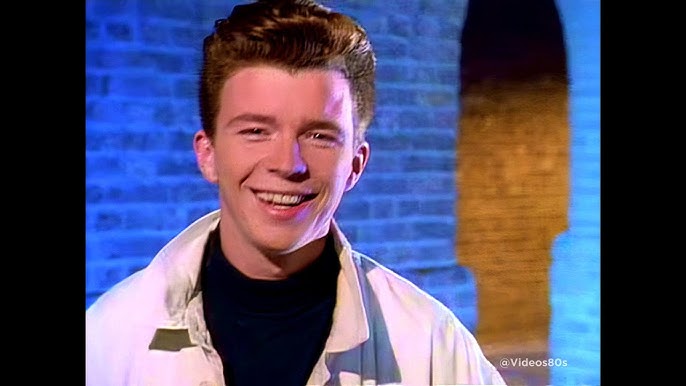
This prank eventually became known as the “Rickroll.” Instead of being annoyed, many internet users found the joke surprisingly entertaining. The unexpected appearance of Rick Astley’s cheerful music video became a lighthearted tradition across forums, social media platforms, and online communities.
Over time, Rickrolling evolved from a simple internet prank into a cultural symbol. Major companies, celebrities, sporting events, and even official organizations have participated in Rickroll jokes. This widespread acceptance transformed the meme into one of the internet’s longest-running traditions.
How Never Gonna Give You Up Changed Internet Culture
Very few songs have influenced internet culture as profoundly as Never Gonna Give You Up. The Rickroll became one of the earliest viral memes that crossed language barriers, age groups, and countries. Its success demonstrated how internet humor could breathe new life into classic entertainment.
The meme also showed that viral content doesn’t always rely on negativity or controversy. Instead, it celebrated surprise, nostalgia, and harmless fun. Many internet users came to associate the song with positive memories rather than frustration, helping its reputation remain remarkably strong.
As internet platforms evolved from forums to YouTube, Facebook, TikTok, Instagram, and other social media sites, Rickrolling adapted effortlessly. Every new generation of users discovered the joke, ensuring that the song remained culturally relevant decades after its original release.
Musical Composition and Performance
From a musical perspective, Never Gonna Give You Up is an excellent example of late-1980s dance-pop production. It combines electronic drums, synthesizers, upbeat bass lines, and layered backing vocals to create a vibrant listening experience that encourages movement.
Rick Astley’s vocal performance remains one of the song’s strongest features. His deep, confident voice provides emotional sincerity while maintaining enough energy to keep listeners engaged throughout the track. This contrast between his voice and youthful appearance became one of his defining characteristics.
The song also follows a carefully structured arrangement. Each verse builds anticipation before leading into an unforgettable chorus that practically invites listeners to sing along. This expertly designed progression has helped the song maintain its popularity in both casual listening and live performances.
Awards, Records, and Global Success
Upon release, Never Gonna Give You Up achieved extraordinary commercial success. It topped charts across Europe, North America, Australia, and several Asian markets. Selling millions of copies worldwide, it became one of the defining songs of the late 1980s.
Rick Astley received numerous awards and industry recognition during this period. His debut success established him as one of Britain’s most successful young artists, opening doors for international tours and additional chart-topping singles.
The music video has also reached extraordinary milestones online. It has accumulated hundreds of millions of views, demonstrating that interest in the song remains incredibly strong. Few songs from the 1980s continue attracting such consistent attention from audiences around the world.
Why People Still Love the Song Today
Nostalgia certainly plays a role in the song’s continued popularity. Listeners who grew up during the 1980s often associate it with memorable moments from their youth. Hearing the familiar melody instantly brings back positive memories.
However, nostalgia alone doesn’t explain its lasting appeal. Younger audiences who never experienced the original release continue discovering the song through streaming platforms, social media, and internet memes. Many genuinely appreciate its catchy rhythm and uplifting atmosphere.
The song’s optimistic message also contributes to its longevity. In an era where many popular songs focus on heartbreak or conflict, Never Gonna Give You Up stands out for its sincerity and positivity. Its feel-good energy makes it suitable for parties, celebrations, and everyday listening.
The Legacy of Never Gonna Give You Up
Today, Never Gonna Give You Up is far more than just a successful pop single. It has become a symbol of internet culture, nostalgia, and timeless entertainment. Its remarkable journey from chart-topper to viral meme is unlike anything else in music history.
Rick Astley has embraced the song’s popularity rather than resisting it. His willingness to participate in Rickroll-related events has earned him admiration from fans old and new. Instead of being remembered for only one hit, he has become an icon who appreciates the joy his music continues to bring.
As technology and online culture continue evolving, Never Gonna Give You Up remains surprisingly relevant. New audiences discover it every year, proving that great music combined with a little internet humor can create an enduring cultural phenomenon.
Conclusion
Never Gonna Give You Up has earned its place as one of the most recognizable songs ever recorded. Its combination of memorable songwriting, outstanding production, and Rick Astley’s powerful vocals made it an international hit upon release. Decades later, the internet transformed it into a legendary meme, introducing the song to millions of new listeners.
Its story demonstrates how music can transcend generations and adapt to changing cultural landscapes. What began as a classic pop single evolved into one of the internet’s most beloved traditions, proving that timeless entertainment can find new life in unexpected ways.
Whether you appreciate it as a brilliantly crafted pop song, a nostalgic favorite, or the soundtrack to the world’s most famous online prank, Never Gonna Give You Up continues to deliver exactly what its title promises—it never gives up on entertaining audiences around the globe.