


Introduction
When Lake Texoma Should Be Capitalized famous places, proper capitalization is one of the easiest ways to demonstrate professionalism and accuracy. A common question many writers, students, bloggers, and business owners ask is whether Lake Texoma should be capitalized. The short answer is yes. Since “Lake Texoma” is the official name of a specific geographic location, both words should always begin with capital letters.
Although this grammar rule sounds simple, many people accidentally write Lake Texoma Should Be Capitalized especially when typing quickly or creating online content. These mistakes may seem minor, but they can affect readability, credibility, and even search engine optimization (SEO).
This guide explains why Lake Texoma should be capitalized, the grammar rules behind proper nouns, common mistakes to avoid, and practical examples that make the concept easy to understand. Whether you’re writing a school assignment, travel blog, news article, or business website, you’ll know exactly how to use the name correctly.
What Is Lake Texoma Should Be Capitalized?
Lake Texoma Should Be Capitalized is one of the largest reservoirs in the United States. It lies on the border between Texas and Oklahoma and was created by the construction of the Denison Dam on the Red River. The lake attracts millions of visitors every year who enjoy fishing, boating, camping, hiking, and other outdoor activities.
The name “Texoma” itself is a combination of Texas and Oklahoma, reflecting the lake’s location between the two states. Because it refers to one specific place rather than lakes in general, it is considered a proper noun.
Whenever a geographic feature has an official name, that name becomes a proper noun. Proper nouns always begin with capital letters in English grammar. Therefore, writing Lake Texoma with both words capitalized is grammatically correct in every formal context.
Why Lake Texoma Should Be Capitalized
The primary reason Lake Texoma should be capitalized is that it is a proper noun. Proper nouns identify unique people, organizations, cities, countries, rivers, mountains, and lakes. English grammar requires these names to be capitalized.
The word Lake is part of the official name rather than simply describing a type of landform. Similar examples include Lake Michigan, Lake Superior, Lake Tahoe, and Lake Erie. In each case, the word “Lake” is treated as part of the official title.
Capitalization also improves clarity. Imagine reading a travel article that refers to Lake Texoma Should Be Capitalized in lowercase. It immediately appears less polished and may even confuse readers. Correct capitalization signals that the writer understands standard grammar and respects official place names.
Understanding Proper Nouns and Capitalization Rules
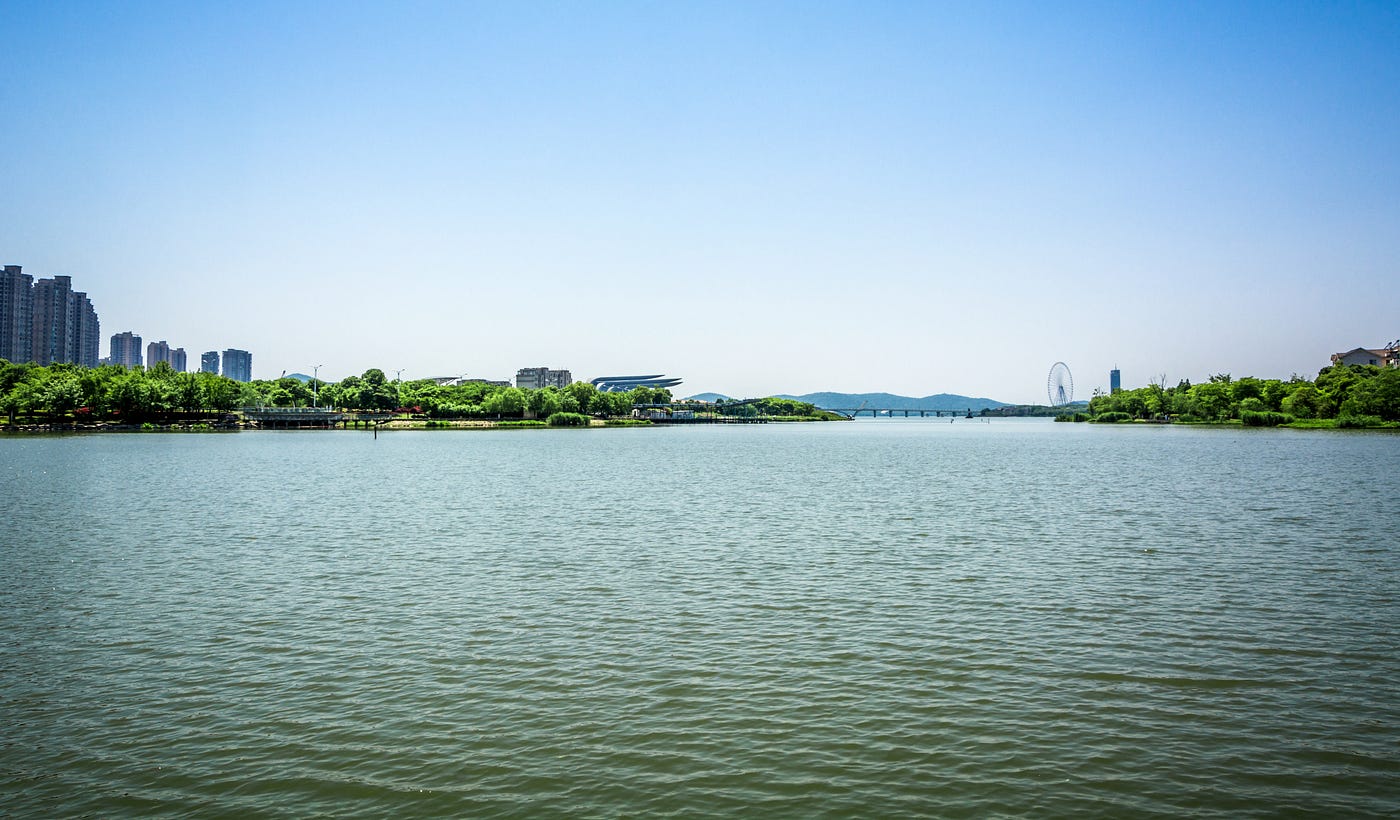
English grammar separates nouns into two categories: Lake Texoma Should Be Capitalized common nouns and proper nouns. A common noun refers to a general object or place, while a proper noun identifies a specific one.
For example, the word “lake” by itself is a common noun because it refers to any lake. However, Lake Texoma Should Be Capitalized identifies one unique lake, making it a proper noun.
This rule applies across many geographic names. You capitalize names such as Grand Canyon, Rocky Mountains, Pacific Ocean, Gulf of Mexico, and Lake Texoma Should Be Capitalized because they refer to specific locations.
Many people become confused because some writing styles occasionally place the descriptive word after the name, such as “Texoma Lake.” However, the officially recognized name remains Lake Texoma Should Be Capitalized and it should always be capitalized accordingly.
Common Mistakes People Make
One of the most frequent mistakes is writing Lake Texoma Should Be Capitalized with only the second word capitalized. This usually happens because writers think “lake” is merely a description rather than part of the official name.
Another common error is writing lake texoma, where both words appear in lowercase. This mistake is often caused by informal texting or poor editing. While it may not prevent readers from understanding the meaning, it is grammatically incorrect.
Some writers also capitalize the word inconsistently throughout an article. For example, they may begin with but later switch to Consistency is important in professional writing. Once referring to the official name, always capitalize both words.
Examples of Correct and Incorrect Usage
Understanding examples makes grammar much easier.
Correct usage includes:
We spent the weekend at Lake Texoma.
Fishing at Lake Texoma is popular throughout the year.
The beaches around Lake Texoma attract thousands of visitors.
Incorrect usage includes:
We visited lake texoma last summer.
Fishing at lake Texoma is exciting.
Tourists love lake texoma during spring.
Notice that every correct sentence treats “Lake Texoma” as one complete proper noun with both words capitalized.
Does Style Guide Matter?
Professional writers often follow style guides such as the Associated Press (AP) Stylebook, the Chicago Manual of Style, or MLA guidelines. Fortunately, all major English style guides agree on one important point: official geographic names are capitalized.
Whether you’re writing for a newspaper, website, university assignment, or business publication, you should capitalize Lake Texoma because it is an official place name.
Even in casual writing, correct capitalization demonstrates attention to detail. Readers naturally trust content that follows accepted grammar rules, making your work appear more authoritative.
Search engines also tend to reward well-written, organized content. While capitalization itself is not a direct ranking factor, professional writing contributes to a better user experience, which supports overall SEO quality.
Why Correct Capitalization Matters for SEO
Many content creators wonder whether capitalization affects search engine rankings. While Google understands different capitalization styles, readers notice grammatical accuracy immediately.
Well-written articles build credibility. Visitors are more likely to stay on a website that appears professional and carefully edited. Longer engagement often contributes to better overall website performance.
Using the correct form, Lake Texoma, also aligns with how people recognize the destination. Travel blogs, tourism websites, educational resources, and local news outlets almost always capitalize the official name.
Additionally, maintaining consistent capitalization throughout your article helps establish professionalism. Editors, clients, and readers appreciate content that follows accepted writing standards.
Tips for Remembering the Rule
A simple trick is to ask yourself whether you’re referring to one specific place. If the answer is yes, capitalize the entire official name.
Think of names like Lake Tahoe, Lake Michigan, Lake Powell, or Lake Texoma. Since each one identifies a particular location, every major word begins with a capital letter.
Another helpful strategy is to imagine replacing the name with a person’s name. Just as you would never write “john smith” in formal writing, you should not write “lake texoma.” Proper nouns deserve proper capitalization.
Finally, proofread your work before publishing. Many spelling checkers overlook capitalization mistakes involving place names, so a quick manual review can prevent embarrassing errors.
Frequently Asked Questions
Should both “Lake” and “Texoma” be capitalized?
Yes. Since “Lake Texoma” is the official name of a specific lake, both words should begin with capital letters.
Can I write “the lake” in lowercase later?
Yes. Once you’ve introduced the official name, you may later refer to it as “the lake” if you’re speaking generally. In that case, “lake” is a common noun and remains lowercase.
Is “Lake Texoma” a proper noun?
Absolutely. It identifies one unique geographic location, making it a proper noun according to English grammar.
Does capitalization matter online?
Yes. Correct capitalization improves professionalism, readability, and the overall quality of your writing, even if search engines can understand lowercase variations.
Conclusion
The answer is straightforward: Lake Texoma should be capitalized because it is the official name of a specific geographic location. In English grammar, proper nouns always begin with capital letters, and this rule applies to lakes, rivers, mountains, cities, countries, and other named places.
Whether you’re writing a travel guide, academic paper, business website, blog post, or social media content, consistently using Lake Texoma demonstrates professionalism and grammatical accuracy. Avoid common mistakes such as “lake Texoma” or “lake texoma,” as these forms do not follow standard English conventions.
By understanding the difference between common nouns and proper nouns, you’ll not only write “Lake Texoma” correctly but also improve your overall writing skills. Paying attention to details like capitalization helps create content that readers trust, editors appreciate, and search engines recognize as high quality. The next time you mention this beautiful destination, remember that Lake Texoma deserves its capital letters.
- You May Also Read