

Introduction
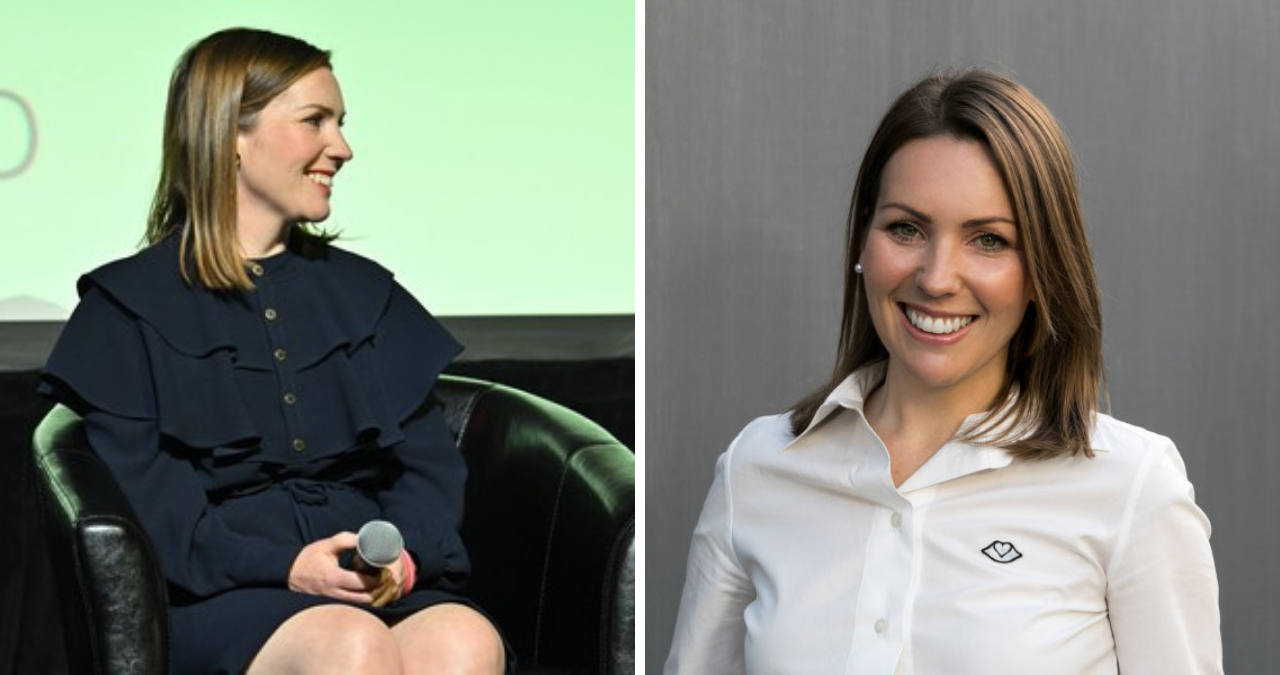
The name Sarah Lewthwaite appears in several professional and public contexts, which can make it surprisingly difficult to determine exactly which person a searcher is looking for. One of the most clearly documented individuals with this name is Dr Sarah Lewthwaite, a British academic and researcher whose work focuses on digital accessibility, disability studies, higher education, and inclusive technology. Her career has developed around an increasingly important question: how can education and technology be designed so that more people can participate fully?
Dr Lewthwaite is a Principal Research Fellow at the University of Southampton’s Southampton Education School and serves as Co-Director of the Centre for Research in Inclusion. Her institutional profile lists higher education, critical disability studies, and digital accessibility among her major research interests. She has also been involved in major research examining how accessibility skills can be taught effectively in universities and workplaces.
At the same time, the name Sarah Lewthwaite is associated online with journalism and broadcasting. BBC programme records, for example, identify a Sarah Lewthwaite as a producer and reporter, while other online sources connect a Sarah Lewthwaite with BBC journalism and media education. Because multiple professionals share the same name, it is important not to automatically combine their biographies or assume that every result refers to the same person.
Who Is Dr Sarah Lewthwaite?
Dr Sarah Lewthwaite is best documented through her academic work at the University of Southampton. Her official university biography identifies her as a Principal Research Fellow and Co-Director of the Centre for Research in Inclusion. Her research sits at the intersection of education, technology, disability, and inclusion, making her work particularly relevant as schools, universities, employers, and public services become increasingly dependent on digital platforms.
Her academic qualifications include a BA(Hons), an MA, and a PhD, and she is also a Fellow of the Royal Society of Arts. She completed an MA in Research Methods with distinction and earned her PhD from the Learning Sciences Research Institute at the University of Nottingham. Her doctoral research examined how networked publics, including social media environments, could shape experiences of disability through accessible digital research methods.
What makes her career interesting is the way it combines research with practical experience. Before moving further into academia, Lewthwaite worked on issues involving disabled students’ access to education and technology across secondary and higher education as well as the public sector. That background gives her research a practical foundation rather than limiting it to theoretical discussions.
Her Academic Journey and Professional Background

Sarah Lewthwaite academic career did not begin in isolation from real-world accessibility issues. According to the University of Southampton, she initially joined the School of Education as a Research Fellow at the National Centre for Research Methods. Her earlier professional experience had already exposed her to the barriers disabled people can face when interacting with education and technology.
Following her doctoral studies, she worked on the MyUI project, an initiative focused on interactive design for older users. She later became a post-doctoral research associate working on student experience at King’s College London. These positions helped broaden her understanding of how people interact with technology and educational systems at different stages of life.
This progression is important because digital accessibility is not simply a matter of adding a technical feature to a website. It involves understanding how people actually use digital systems, what obstacles they encounter, and how organisations can develop better practices. Lewthwaite’s career reflects that wider approach, bringing together research, teaching, policy, and practical questions about inclusion.
Focus on Digital Accessibility
Digital accessibility is one of the most important themes associated with Sarah Lewthwaite’s academic work. In simple terms, digital accessibility means making websites, software, online learning environments, documents, and other digital products usable by people with different abilities and access requirements.
The subject has become increasingly significant because so many everyday activities now happen online. Applying for university, accessing course material, communicating with an employer, completing government forms, shopping, banking, and finding information may all depend on digital interfaces. When those interfaces are poorly designed, people who rely on assistive technologies or alternative methods of interaction can face unnecessary barriers.
Lewthwaite’s research goes beyond the idea that accessibility should be left solely to specialist technical teams. Her work examines how accessibility knowledge itself can be developed through education and professional training. The goal is to help create a culture in which accessibility becomes part of normal decision-making rather than something considered only after a product or service has already been designed.
Teaching Accessibility in the Digital Skill Set
One of the major projects associated with Lewthwaite is Teaching Accessibility in the Digital Skill Set. The University of Southampton identifies her as the Principal Investigator for this research, which has examined how digital accessibility can be taught as part of professional and educational skill development.
The project is particularly relevant because organisations increasingly need employees who understand accessibility. Having a small group of specialists can help, but accessibility becomes much more effective when designers, educators, developers, researchers, managers, and other professionals understand their own responsibilities.
The project’s broader message is therefore practical: accessibility should be embedded into education and professional development. Rather than treating it as a niche subject, institutions can teach students and staff how accessibility fits into their everyday work. This approach can have long-term benefits because graduates carry those skills into different industries and workplaces.
Research, Disability Studies, and Inclusion
Another important part of Lewthwaite’s work is critical disability studies. This field examines disability not simply as an individual medical issue but also by looking at social structures, environments, technology, attitudes, and institutional practices that can create barriers.
That perspective changes the conversation. Instead of asking only what an individual person can or cannot do, researchers can ask whether a system has been designed in a way that excludes certain users. A university website that cannot be navigated effectively with assistive technology, for example, may create a barrier that has more to do with design than with the person attempting to use it.
Lewthwaite’s work connects these ideas with education and digital technology. Her research interests include inclusion, disability, digital accessibility, and accessible research methods, creating a multidisciplinary approach that is especially useful in today’s technology-driven educational environment.
Teaching and Supporting the Next Generation
Research is only one side of Lewthwaite’s professional role. Her University of Southampton profile also describes her teaching activities, including advanced qualitative research methods and pedagogy development through the National Centre for Research Methods. She also contributes to master’s-level education in digital innovation.
Teaching research methods is particularly valuable in a field like accessibility because good conclusions depend on good research. Researchers need to understand how to gather information responsibly, work with participants, interpret evidence, and recognise limitations in their findings.
Her teaching therefore complements her research career. Students are not simply introduced to theories; they can also learn how to investigate complicated questions about technology, education, inclusion, and human experience. That combination helps explain why her work has relevance beyond a single academic department.
Why Sarah Lewthwaite’s Work Matters Today
The importance of digital accessibility has grown rapidly. Educational institutions now depend on learning management systems, video platforms, digital libraries, online assessments, electronic documents, and other technologies. If those tools are not accessible, students can encounter difficulties that have nothing to do with their academic ability.
The same principle applies in the workplace. Recruitment systems, training platforms, communication software, internal databases, and customer-facing websites all influence whether people can participate effectively. Accessibility is therefore not just a specialist concern; it can affect employment, education, independence, and equal participation.
This is where Lewthwaite’s research becomes particularly timely. By concentrating on how accessibility knowledge is taught and developed, her work addresses the people and processes behind digital systems. Technology can be technically impressive while still being difficult for some users. Better education and professional awareness can help close that gap.
The Importance of Getting the Right Sarah Lewthwaite
One detail that should not be overlooked when researching Sarah Lewthwaite is that the name belongs to more than one professional. Search results also identify Sarah Lewthwaite in connection with journalism and broadcasting, including BBC production and reporting. BBC records show a Sarah Lewthwaite credited as a producer on Radio 4’s File on 4, while a BBC transcript also credits a Sarah Lewthwaite with reporting on employment issues affecting visually impaired people.
There are also online profiles describing a Sarah Lewthwaite associated with journalism education and media production. However, these sources should not automatically be treated as evidence that the journalist and the academic are the same person. The official University of Southampton biography clearly establishes the academic’s qualifications, career, research interests, and institutional role, while BBC records provide independent evidence for the journalist’s work.
This distinction matters for anyone creating an online biography. Combining details from different people simply because they share a name can create a misleading profile. A careful article should separate confirmed information from assumptions and avoid presenting unverified personal details as facts.
Public Information, Privacy, and Online Searches
Another interesting aspect of the Sarah Lewthwaite name is how much of the reliable information available is professional rather than personal. The strongest sources concentrate on career achievements, research projects, education, teaching, and institutional responsibilities.
That is generally a good thing. When someone is primarily known for academic or professional contributions, there is little reason to fill gaps in their biography with speculation about private matters. A useful profile should focus on information that can actually be supported.
For readers searching the name online, this is an important lesson. Search engines may present pages with conflicting ages, family information, occupations, or personal claims. The safest approach is to compare those claims with official institutional profiles, established organisations, and primary records before accepting them.
Frequently Asked Questions About Sarah Lewthwaite
Who is Sarah Lewthwaite?
Sarah Lewthwaite is a name shared by multiple professionals. One well-documented individual is Dr Sarah Lewthwaite, a Principal Research Fellow and Co-Director of the Centre for Research in Inclusion at the University of Southampton. Her work focuses on digital accessibility, higher education, critical disability studies, and inclusive technology.
What is Sarah Lewthwaite known for?
Dr Sarah Lewthwaite is known for research into digital accessibility and how accessibility can be taught as an essential digital skill. She has led research examining accessibility education in higher education and workplaces and contributes to teaching in research methods and digital innovation.
Where does Sarah Lewthwaite work?
Dr Sarah Lewthwaite works at the University of Southampton’s Southampton Education School. She is a Principal Research Fellow and Co-Director of the Centre for Research in Inclusion.
Does Sarah Lewthwaite have a background in journalism?
There are BBC records showing a Sarah Lewthwaite working in broadcasting as a producer and reporter. However, because multiple people share this name, those journalism credits should not automatically be attributed to Dr Sarah Lewthwaite without additional evidence.
What does digital accessibility mean?
Digital accessibility means designing digital products and services so that people with different abilities can use them effectively. It can involve websites, software, online learning systems, documents, multimedia, and other forms of digital communication.
Conclusion
Sarah Lewthwaite is a name connected to several professional identities, but Dr Sarah Lewthwaite stands out through a well-documented academic career focused on digital accessibility, inclusive education, and disability studies. Her work addresses an issue that has become increasingly important as education, employment, and everyday services move deeper into the digital world.
Her career also demonstrates why accessibility needs to be treated as a skill rather than an afterthought. Through research, teaching, and academic leadership, she has contributed to conversations about how universities and workplaces can develop stronger accessibility knowledge and practices. Her work with the Teaching Accessibility in the Digital Skill Set project is particularly relevant to that goal.
At the same time, anyone researching the keyword “Sarah Lewthwaite” should be careful with identity matching. The name appears in journalism and other professional contexts, so combining information from different individuals can easily lead to errors. The most reliable approach is to focus on primary and institutional sources and clearly distinguish confirmed facts from uncertain claims.
Ultimately, the most interesting part of Sarah Lewthwaite’s documented academic story is not celebrity or personal publicity. It is the practical question at the heart of her work: how can technology and education become more inclusive for everyone? As digital systems continue to shape modern life, that question is likely to become even more important.