

Introduction
Steve Timoney is a name that has become increasingly associated with entrepreneurship, energy infrastructure, investment, and professional basketball in Scotland. His career is particularly interesting because it does not follow the typical path of a business leader who builds one company and then disappears from public view. Instead, Steve Timoney has moved from the energy industry into a broader portfolio of business, hospitality, property, and sports ventures. His story shows how experience in one sector can eventually provide the confidence and resources to pursue opportunities in completely different fields.
Steve Timoney is best known for founding Smart Metering Systems (SMS), an energy-services company he established in 1995. Before starting the company, he spent years working in the gas industry, including roles with British Gas Transco and Shell UK. Those experiences gave him a practical understanding of energy infrastructure, commercial contracts, and the changing needs of utility companies. Company records and historical reports identify him as the founder of SMS and describe his engineering and commercial background.
In later years, Steve Timoney became equally recognizable for his involvement in Scottish sport. He and his wife, Alison, became owners of the Caledonia Gladiators basketball organization and pushed an ambitious vision for professional basketball in Scotland. Their plans have included developing a major sporting facility and creating a stronger long-term structure around the club.
Steve Timoney Early Professional Journey
Long before Steve Timoney became known as an entrepreneur and sports owner, his professional career was rooted in the energy industry. His early experience was not simply about running a company; it involved understanding how utility networks worked from the ground up. According to an archived Smart Metering Systems annual report, Steve Timoney spent 14 years with British Gas Transco working in engineering, with particular responsibility for gas pipelines and meter assets.
That technical foundation became important when he later moved into commercial work with Shell UK. There, he was involved with commercial responsibilities relating to the marketing of natural gas in Scotland and developed expertise in contract development under the Network Code regime. The combination of engineering knowledge and commercial experience gave him a useful perspective that many entrepreneurs do not have when they first enter an industry.
Steve Timoney career illustrates an important business lesson: entrepreneurship does not always begin with a dramatic leap into the unknown. Sometimes it develops from years of understanding an industry, noticing inefficiencies, and recognizing where a better solution could be built. His experience in energy helped him identify an opportunity in metering services at a time when the sector was becoming increasingly dependent on better technology, data, and infrastructure management.
Founding Smart Metering Systems

In 1995, Steve Timoney founded Smart Metering Systems, commonly known as SMS. The company focused on smart metering and energy infrastructure services, areas that became increasingly important as the UK’s energy market evolved. Steve Timoney previous experience gave him a strong understanding of both the technical and commercial sides of the industry, allowing SMS to develop around a practical understanding of what energy companies and consumers needed.
The company eventually grew far beyond its early beginnings. SMS became a publicly listed business, giving it access to capital and a broader platform for expansion. Its development reflected the growing importance of accurate energy measurement, smart technology, and infrastructure management. Rather than treating metering as a narrow technical service, the business became part of a much larger energy-services ecosystem.
Steve Timoney role in building SMS is arguably the most important chapter of his business career because it established the financial and professional foundation for everything that followed. It also demonstrated his ability to think beyond the immediate needs of a market. Energy infrastructure can be a slow-moving sector, but technological changes can create enormous opportunities for companies that are prepared early. SMS’s growth showed the value of taking a long-term view.
The Business Philosophy Behind Steve Timoney Success
One of the more interesting aspects of Steve Timoney career is the emphasis he places on people and organizational culture. In a recent discussion of his leadership ideas, Steve Timoney was described as focusing heavily on helping people understand the “why” behind their work rather than simply giving instructions from the top. He has also spoken about the dangers of oversized egos, excessive control, and cultures where employees are afraid to make mistakes.
That philosophy makes sense when viewed against his entrepreneurial journey. Building a large company requires a founder to eventually stop trying to do everything personally. A small business can depend heavily on its founder, but a larger organization needs systems, capable managers, and people who are trusted to make decisions. Steve Timoney approach suggests that he understands the transition from being the person who solves problems to being the person who builds an environment where other people can solve them.
His leadership philosophy also highlights the difference between short-term performance and long-term value. Focusing entirely on numbers, share prices, or immediate results can sometimes produce impressive figures while quietly damaging a company’s culture. Steve Timoney approach appears to put considerable emphasis on building organizations that can continue growing without depending entirely on one individual.
Steve Timoney and the Caledonia Gladiators
After making his mark in the energy sector, Timoney turned much of his attention toward basketball. He and Alison Timoney had previously supported the Glasgow Rocks organization before taking ownership and transforming its identity. In 2022, the Glasgow Rocks were renamed the Caledonian Gladiators, reflecting a broader ambition to position the club as a Scottish sporting brand rather than simply a Glasgow-based team.
The ownership change represented more than a simple rebranding exercise. Timoney talked about creating a long-term sporting project with ambitions to compete at a much higher level. The BBC reported that the owners wanted to relocate the organization toward East Kilbride and develop a purpose-built arena as part of their broader strategy.
The project has also been described as a legacy initiative. Timoney and Alison have committed significant resources to the basketball operation, with the Caledonia Gladiators themselves describing a £20 million investment into an ambitious arena project. The idea is not simply to operate a basketball team but to create an environment where professional sport, entertainment, community participation, and youth development can work together.
Building a Bigger Vision for Scottish Basketball
What makes Timoney involvement in basketball different from a conventional ownership model is the scale of the vision. Professional sports owners often focus primarily on improving the team, signing players, increasing attendance, or winning championships. Timoney’s public plans have extended beyond those immediate objectives toward infrastructure and long-term development.
A modern arena can completely change the economics of a sports organization. It can provide better facilities for athletes while also creating opportunities for concerts, events, hospitality, youth programs, community activities, and commercial partnerships. That means the venue itself can become an important business asset rather than simply being a place where games are played.
Timoney’s ambitions have therefore placed the Caledonia Gladiators within a much wider project. Recent coverage of the organization has highlighted efforts around homegrown talent and the Caledonia Blues development pathway, while also noting the challenge of balancing long-term plans with short-term competitive results. That tension is normal in ambitious sports projects: infrastructure and youth development take years, while supporters naturally want results immediately.
Steve Timoney Beyond Energy and Basketball
Timoney’s business interests are not limited to energy and basketball. His wider activities have included property, hospitality, and investment. Companies House records show that he remains a director of Reid-Timoney Investment Company Limited, an active company associated with his business activities.
His broader business portfolio reflects a common pattern among successful entrepreneurs. After creating significant value in one industry, entrepreneurs often begin looking for businesses where they can apply their experience in strategy, investment, leadership, and development. Instead of concentrating everything in one sector, Timoney has moved into areas where branding, property, hospitality, entertainment, and customer experience overlap.
This diversification also makes his career more interesting from a business perspective. Energy infrastructure and hospitality appear to be very different industries, but both depend on long-term investment, operational discipline, customer expectations, and strong management. The ability to identify those common principles can be more valuable than having experience in only one specific sector.
Steve Timoney Connection With Hospitality and Property
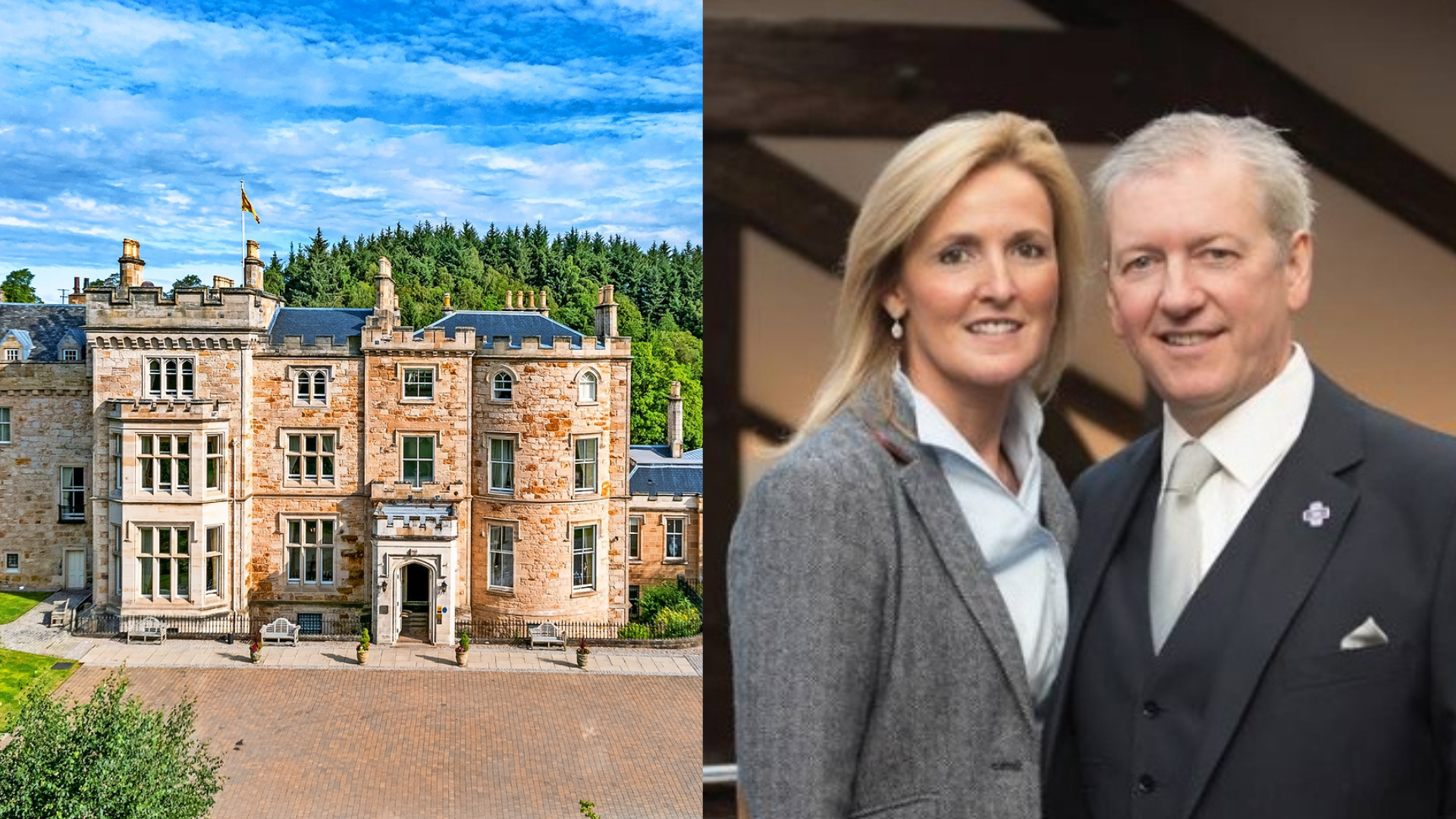
Hospitality has become another visible part of Timoney’s business interests, particularly through Crossbasket Castle. His involvement in the property reflects an interest in creating premium experiences rather than simply owning physical assets. That distinction matters because successful hospitality businesses depend heavily on reputation, service, atmosphere, and the ability to create memorable experiences for visitors.
The same long-term thinking seen in his sports investments can be applied to hospitality. Developing a property into a destination is rarely a quick process. It involves investment in buildings, facilities, staff, food and beverage operations, marketing, and customer experience. The goal is to create something that has value beyond the bricks and mortar.
Recent public activity surrounding Crossbasket Castle has also pointed toward further expansion, including new accommodation and spa-related developments. Timoney’s current public profile shows that his interests continue to evolve rather than remaining tied to the company that originally established his reputation.
Steve Timoney Approach to Long-Term Investment
One recurring theme in Timoney’s career is patience. Building an energy company, developing a sports organization, or transforming a historic property all require substantial time and capital. None of these projects can realistically be judged after a few months.
His approach appears to be based on creating assets that can become more valuable over time. In basketball, that means developing infrastructure, growing the brand, and building pathways for talent. In hospitality, it means improving a destination and its guest experience. In business, it means establishing systems and people that can continue producing results.
This long-term perspective is especially relevant in an era when business success is often measured through short-term headlines. Timoney’s career demonstrates that some of the most ambitious projects require years before their full potential becomes visible. The challenge is maintaining the confidence to keep investing while also adapting when circumstances change.
Steve Timoney Impact and Legacy
The word “legacy” has been associated with Timoney’s approach to basketball, and it is an appropriate concept for considering his wider career. His success with Smart Metering Systems provided the financial foundation for later ventures, but his more recent projects suggest that he wants to create things that remain meaningful beyond financial returns.
The Caledonia Gladiators are perhaps the clearest example. Timoney and his wife have invested in professional basketball with the stated ambition of helping the sport grow in Scotland. Their plans for facilities, branding, youth development, and community involvement indicate that the project is intended to have an impact beyond a single season or league table.
His legacy will ultimately depend on how these projects develop over the coming years. Business success can be measured relatively easily through financial performance, but the impact of a sports or community project is more complicated. If the Gladiators can develop stronger pathways for Scottish players, attract larger audiences, establish sustainable facilities, and become a major sporting institution, Timoney’s contribution could extend well beyond his original business achievements.
Frequently Asked Questions About Steve Timoney
Who is Steve Timoney?
Steve Timoney is a Scottish entrepreneur best known for founding Smart Metering Systems in 1995 and later becoming involved in professional basketball, property, hospitality, and investment. His career began in the energy industry, where he developed extensive engineering and commercial experience before establishing his own company.
What company did Steve Timoney found?
Timoney founded Smart Metering Systems, or SMS, in 1995. The business became a major player in energy metering and infrastructure services, and its growth established Timoney as a prominent Scottish entrepreneur.
Is Steve Timoney involved in basketball?
Yes. Steve Timoney and his wife Alison are closely associated with the Caledonia Gladiators. They took over the basketball club and rebranded it from the Glasgow Rocks in 2022, with ambitions to build a larger Scottish sporting organization and develop a major arena project.
What is Steve Timoney approach to business?
His public leadership philosophy emphasizes people, culture, delegation, and long-term thinking. He has argued that leaders should avoid excessive ego and control, build strong teams, and create environments where people can innovate and learn from mistakes.
Conclusion
Steve Timoney career is a good example of how entrepreneurial success can evolve into something much broader than a single business. His journey from the energy industry to the creation of Smart Metering Systems gave him the experience and resources to explore new opportunities. Over time, his interests expanded into sports, hospitality, property, and investment.
What makes his story especially compelling is the emphasis on long-term projects. Rather than simply looking for the next quick business opportunity, Timoney has increasingly focused on developing organizations, facilities, and experiences that can grow over many years. His involvement with the Caledonia Gladiators demonstrates this clearly, with ambitious plans for professional basketball and sporting infrastructure in Scotland.
Ultimately, Steve Timoney story is less about one headline-making achievement and more about the evolution of an entrepreneur. He built expertise in a highly technical industry, turned that expertise into a successful company, and then used the experience gained along the way to pursue new challenges. Whether his future legacy is defined primarily by energy, basketball, hospitality, or a combination of all three, his career already offers an interesting lesson in patience, diversification, leadership, and thinking beyond the immediate goal.