

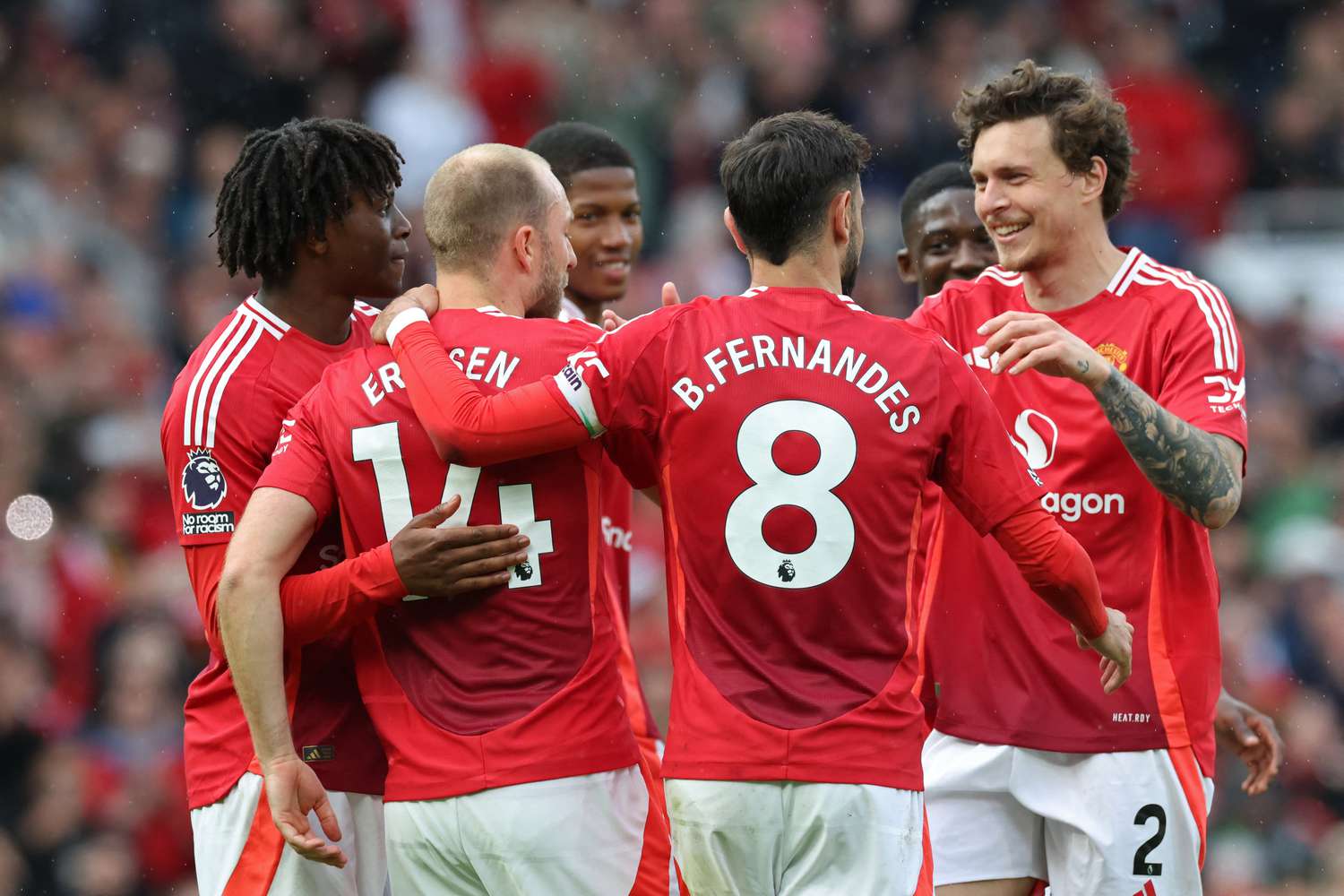
Introduction
When people think about football, one name consistently stands above the rest Manchester United. The club has built a reputation that extends far beyond England, becoming one of the most recognizable sports brands in the world. With millions of passionate supporters spread across every continent,represents much more than just football. It symbolizes history, success, resilience, and an unwavering commitment to excellence.
From unforgettable victories and legendary players to dramatic comebacks and record-breaking achievements, has produced countless moments that have shaped football history. Whether you’re a lifelong supporter or someone new to the sport, understanding the club’s journey provides insight into why it continues to command such worldwide admiration.
This article explores rich history, remarkable achievements, iconic players, playing philosophy, global influence, current challenges, and promising future. By the end, you’ll have a complete understanding of why the Red Devils remain one of football’s greatest institutions.
The History of Manchester United
Manchester United was originally founded in 1878 under the name Newton Heath LYR Football Club. Initially formed by workers from the Lancashire and Yorkshire Railway depot, the club competed in local competitions before gradually making its way into professional football. Financial difficulties threatened the club’s survival in the early 1900s, but a group of investors stepped in and rebranded it as Manchester United in 1902.
The club quickly established itself as a competitive force within English football. Early league titles and domestic cup victories helped build a strong foundation, but tragedy struck in 1958 with the Munich Air Disaster. The devastating plane crash claimed the lives of several talented players, coaches, and staff members, leaving the football world in mourning. Despite this heartbreaking event, displayed incredible resilience and rebuilt itself under the leadership of legendary manager Sir Matt Busby.
Busby’s determination eventually paid off when became the first English club to win the European Cup in 1968. That historic triumph marked a turning point in English football and cemented the club’s reputation on the international stage. Since then, has continued to evolve while honoring its proud traditions.
The Sir Alex Ferguson Era: A Dynasty Like No Other
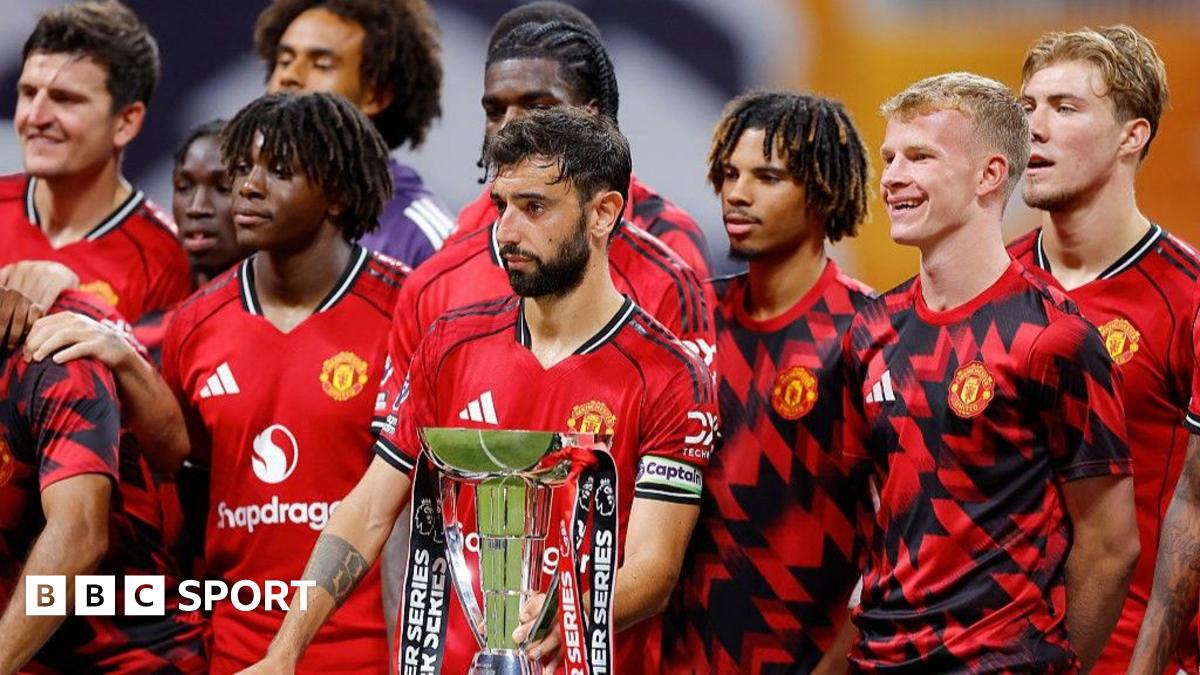
No discussion about Manchester United is complete without highlighting the remarkable influence of Sir Alex Ferguson. Appointed as manager in 1986, Ferguson transformed the club into one of the greatest football dynasties the sport has ever witnessed. His relentless pursuit of excellence changed every aspect of the organization.
Throughout his 26-year tenure, Ferguson led to an extraordinary collection of trophies, including multiple Premier League titles, FA Cups, League Cups, UEFA Champions League titles, and the FIFA Club World Cup. His ability to rebuild successful squads repeatedly ensured that remained competitive across different generations.
Perhaps Ferguson’s greatest strength was his exceptional talent for developing young players. The famous “Class of ’92,” featuring David Beckham, Ryan Giggs, Paul Scholes, Gary Neville, Phil Neville, and Nicky Butt, became the backbone of one of the club’s most successful teams. His leadership style, tactical flexibility, and motivational skills made him one of football’s greatest managers.
Legendary Players Who Defined Manchester United
Manchester United has been home to some of football’s greatest icons. These players not only delivered incredible performances but also became symbols of the club’s identity and winning mentality.
George Best dazzled supporters with his extraordinary dribbling skills and natural flair. His ability to change games single-handedly made him one of football’s earliest global superstars. Alongside Bobby Charlton and Denis Law, he formed one of the most celebrated attacking trios in football history.
The modern era introduced legends such as Eric Cantona, whose charisma and leadership transformed during the 1990s. Roy Keane became known for his fierce determination, while Ryan Giggs enjoyed an astonishing career spanning over two decades. Cristiano Ronaldo’s first spell at the club saw him develop into one of the world’s finest players before returning years later to delight supporters once again.
Other notable stars include Wayne Rooney, Ruud van Nistelrooy, Rio Ferdinand, Nemanja Vidić, Edwin van der Sar, Robin van Persie, Bruno Fernandes, and Marcus Rashford. Each contributed significantly to enduring legacy.
Old Trafford The Theatre of Dreams
Old Trafford is more than just a football stadium—it’s a symbol of Manchester United greatness. Often referred to as the “Theatre of Dreams,” the stadium has hosted countless unforgettable moments throughout its history.
With a seating capacity exceeding 74,000, Old Trafford ranks among the largest football stadiums in the United Kingdom. Its atmosphere during major matches is electric, with passionate supporters creating an unforgettable experience for players and visitors alike.
Over the decades, Old Trafford has welcomed football legends, hosted international tournaments, and witnessed dramatic title-winning celebrations. The stadium remains one of the most iconic sporting venues in the world and continues to be a pilgrimage site for football fans from every corner of the globe.
Manchester United Playing Style and Football Philosophy
Manchester United has traditionally been associated with attacking football. Throughout its history, the club has prioritized entertaining supporters by playing with pace, creativity, and determination. This philosophy has remained deeply embedded in the club’s culture regardless of managerial changes.
Youth development has always played a central role in identity. The club has consistently promoted academy graduates into the first team, demonstrating faith in young talent while maintaining a sustainable football model. This commitment distinguishes Manchester United from many other elite clubs.
Another defining characteristic is the famous “never give up” attitude. Numerous late goals, dramatic comebacks, and resilient performances have reinforced the belief that Manchester United is capable of turning any game around until the final whistle.
Global Fan Base and Commercial Success
Manchester United enjoys one of the largest fan bases in world football. Supporters span Europe, Asia, Africa, North America, South America, and Australia, making the club a truly global phenomenon.
The club’s popularity extends well beyond football matches. generates substantial revenue through sponsorships, merchandise sales, digital engagement, and international tours. Its iconic red jersey is instantly recognizable worldwide and remains one of the best-selling football shirts every season.
Social media has further strengthened global presence. Millions of followers engage daily with club content, player interviews, match highlights, and behind-the-scenes features. This digital connection has allowed supporters to remain closely connected regardless of their location.
Challenges in the Modern Era
Following Sir Alex Ferguson’s retirement in 2013, Manchester United entered a transitional period. Multiple managerial changes created instability as the club searched for consistent success in both domestic and European competitions.
Competition within the Premier League has become increasingly intense. Clubs like Manchester City, Liverpool, Arsenal, and Chelsea have all invested heavily, making every season more competitive than ever before. has therefore faced the difficult task of rebuilding while remaining financially responsible.
Despite these challenges, the club has continued investing in talented players, improving infrastructure, strengthening its academy, and modernizing recruitment strategies. Although consistency has sometimes been difficult to achieve, Manchester United remains determined to return to the very top of European football.
The Importance of Youth Development
One of Manchester United proudest traditions is its commitment to nurturing young talent. The club’s academy has produced numerous world-class footballers who have gone on to achieve remarkable success.
From the Busby Babes to the Class of ’92 and today’s emerging prospects, has consistently demonstrated faith in youth. This philosophy provides opportunities for talented players while maintaining a strong connection between the academy and first team.
Current academy graduates continue to play important roles, inspiring future generations of footballers. The club’s investment in coaching, sports science, education, and player development ensures that young talent remains central to long-term vision.
What the Future Holds for Manchester United
Manchester United future remains full of possibilities. Continued investment in player recruitment, coaching staff, sports technology, and infrastructure suggests the club is building for sustained success.
Young stars are gradually emerging alongside experienced leaders, creating a balanced squad capable of competing at the highest level. Improvements in scouting and analytics are also helping the club identify promising talent from around the world.
Supporters remain optimistic that will once again challenge consistently for Premier League titles and European trophies. Given the club’s rich history of overcoming adversity, few would bet against another successful era emerging in the coming years.
Conclusion
Manchester United is far more than a football club. It is a symbol of tradition, resilience, ambition, and global sporting excellence. From humble beginnings as Newton Heath to becoming one of the world’s most successful football institutions, the club has inspired generations of players and supporters alike.
Its legendary managers, unforgettable players, iconic stadium, passionate fan base, and commitment to attacking football have created a legacy that few clubs can match. Although modern football presents new challenges, Manchester United continues to evolve while staying true to its historic identity.
Whether measured by trophies, influence, commercial success, or worldwide popularity, remains one of football’s true giants. As new chapters continue to unfold, millions of supporters will proudly stand behind the Red Devils, believing that even greater achievements lie ahead.